Applied AI
An AI copilot for creators
A capable model is only as good as the interface around it. This is how a blank prompt became a collaborator people trusted enough to keep using.
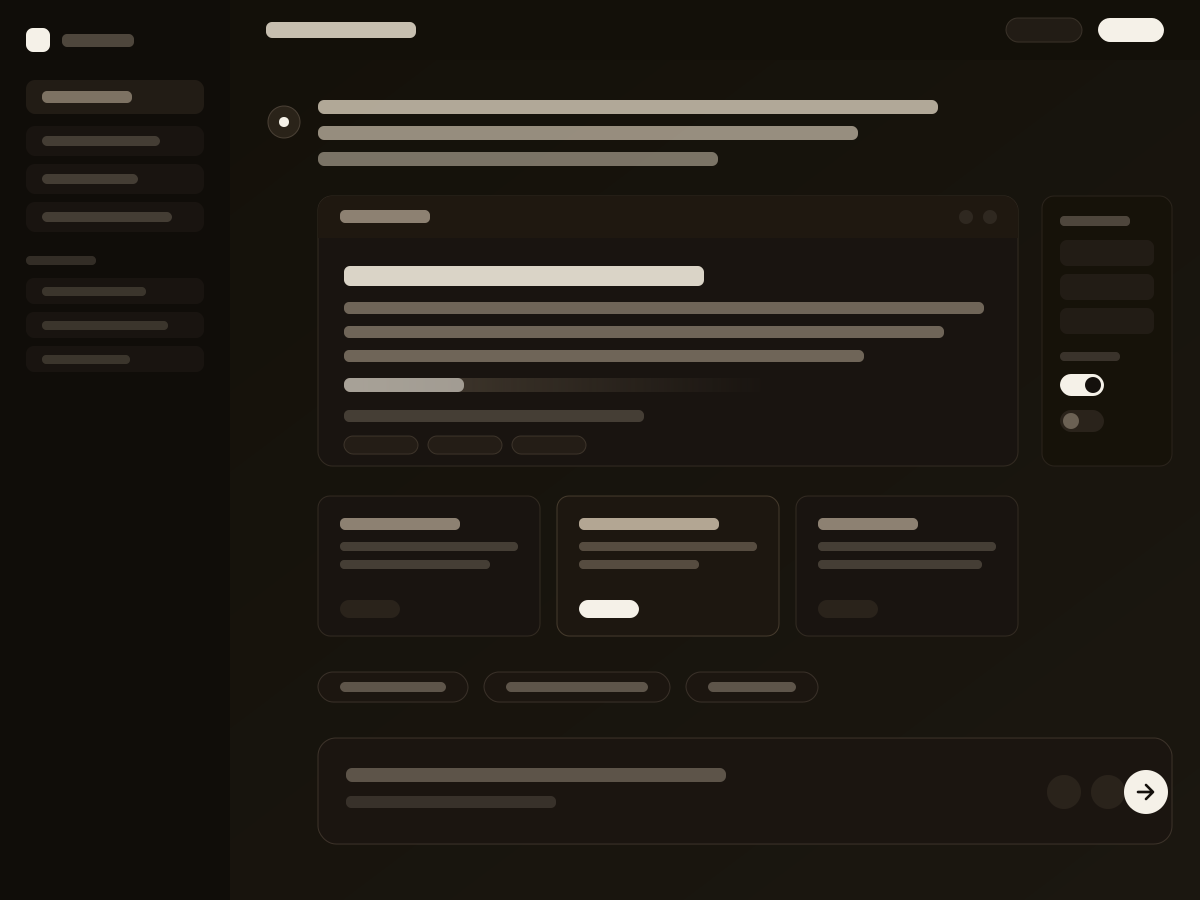
The problem
The model could do a great deal, but people did not know what to ask, could not predict the result, and could not tell a strong output from a weak one. (Placeholder — replace with the real story.)
- Blank-canvas paralysis at the very first step.
- Opaque results with no sense of why the model did what it did.
- No obvious way to steer, compare or undo.
My role
I led design 0→1: the interaction model for AI, prototyping against live model output, and the trust-and-control patterns that made it usable day to day. (Adjust to what you actually owned.)
Process
AI UX cannot be faked in static mockups, so I prototyped against real output early and designed the failure cases first — slow responses, weak answers, ambiguous intent.
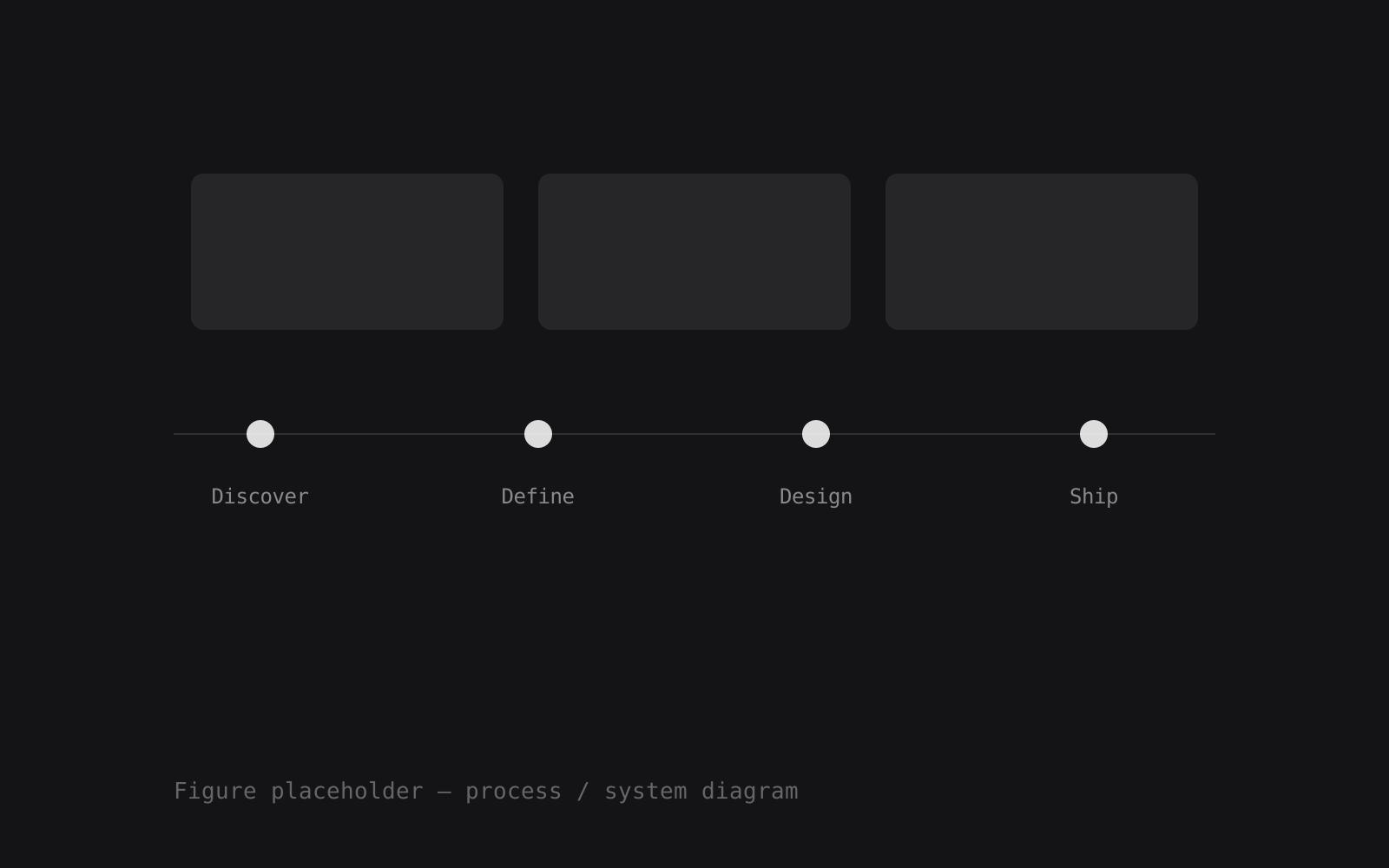
The solution
Guided entry points, editable suggestions, visible controls and honest failure states turned raw capability into something people returned to.
Outcome
All figures are placeholders — swap in numbers you can share.